
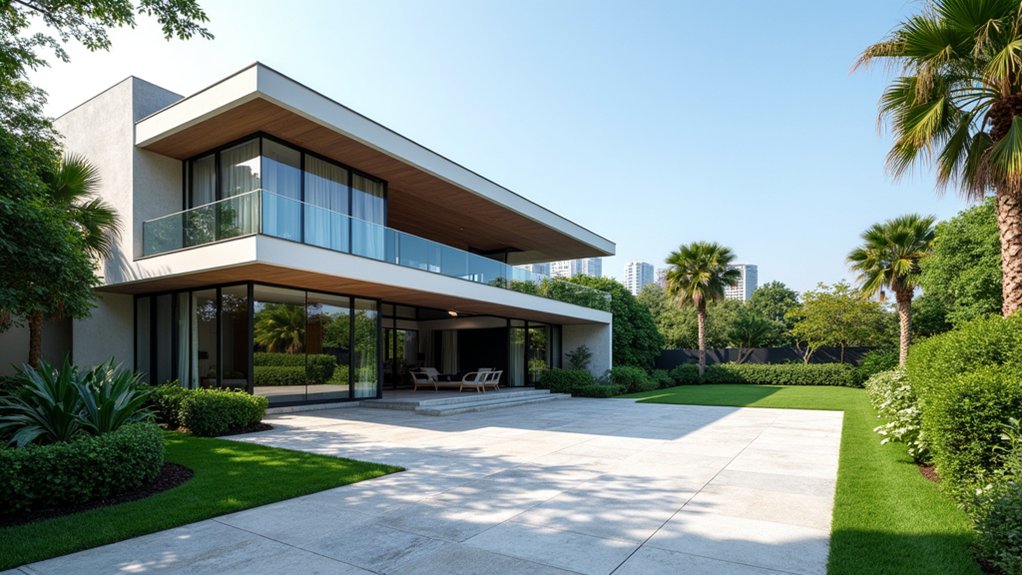

Singapore is finally clearing out the spoils of its biggest money laundering bust, and I’m already fielding calls from buyers who think they’ll snap up a Good Class Bungalow at half price. I’ve got news for them: that’s not how this works, and more importantly, that’s not how Singapore wants this to work.
Deloitte’s running this show for the police, and they’re not running a fire sale. When the first catalogues drop on 7 September 2026, you’ll find over 80 properties hitting the block alongside 300-plus handbags, 250 jewellery pieces, and enough Patek Philippes to make a collector weep. Hotlotz handles the online auctions for the luxury goods; SRI, Edmund Tie, and Knight Frank get the real estate. Viewings happen at Le Freeport out by Changi—appointment only, identity verified, no walk-ins. They’re building exclusivity into the process itself. The entire disposal program will stretch across nine months, with asset sales phased between September 2026 and mid-2027.
Deloitte’s orchestrating a controlled release, not a clearance rack—appointment-only viewings at Le Freeport, identity verified, exclusivity engineered into every step.
Here’s what most people miss: the starting prices won’t reference what these items cost retail or what they’d fetch on the secondary market. Deloitte‘s benchmarking against comparable auction outcomes instead. That 2023 Sentosa Cove penthouse that went for S$32 million? That’s your reference point, not the original buyer’s S$45 million purchase. The system’s designed to recover fair value for the state, not reward bargain hunters.
So what does this actually mean if you’re serious about bidding? Register early, expect competition from global buyers, and don’t assume distressed pricing. The S$1.25 billion in non-cash assets joining the S$1.4 billion already paid into the Consolidated Fund represents serious inventory, but Singapore’s reputation matters more than a quick clearance. They’re not desperate sellers. The 207 seized properties include everything from Sentosa Cove penthouses to Good Class Bungalows in prime districts, making this one of the largest state-managed real estate liquidations in recent memory.
I’ve watched enough collective sales and mortgagee auctions to recognise the pattern. This resembles the 2016 Suntec City strata office liquidations more than a typical mortgagee sale—structured, staged, and reputation-conscious. Notably, Suntec City remains Singapore’s largest integrated commercial development, a status that underpins why its name carries weight as a benchmark even in state-managed asset disposals. The ten convicted offenders are already deported; this is about closing the books cleanly.
The contrarian take? This flood of premium inventory might actually tighten the top-end market. Serious buyers currently hunting in Tanglin or Nassim could pause, wait for the auction roster, then find themselves outbid by institutional players with deeper research teams. Individual investors often underestimate how professionalised auction participation has become.