
Magnet is the obvious metaphor, but it doesn’t quite capture what’s happening: Singapore isn’t just attracting the ultra-wealthy, it’s concentrating them at a pace that could reshape the top end of the housing market by 2028. I’ve covered this market for 15 years, and the striking part isn’t simply the forecast that ultra-high-net-worth individuals could rise about 46% from 2023 levels. It’s that this wave arrives even as luxury buying power is getting squeezed by higher financing costs, taxes on some foreign purchases, and values that already sit near the ceiling in prime districts.
Singapore isn’t merely drawing wealth in; it’s compressing it into prime housing just as luxury demand meets new constraints.
That tension matters. Singapore still offers what wealthy families want when the region feels uncertain: no capital gains tax, competitive tax settings, political stability, clear rules, and a time zone that lets money move across Asia in a single working day.
Add more than 1,500 family offices, deep private banking networks, and easier wealth-friendly residency routes, and I can see why fortunes from Greater China, Southeast Asia, and the Middle East keep landing here. Wealth is also being minted locally in finance, tech, private equity, and property. Singapore already counted roughly 333,000 US-dollar millionaires last year, with over 10% growth projected by 2028. Even major financial platforms now routinely interrupt access with robot verification pages when they detect unusual network activity, underscoring how tightly controlled digital gateways have become around market-moving information.
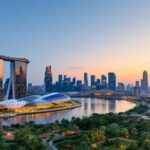
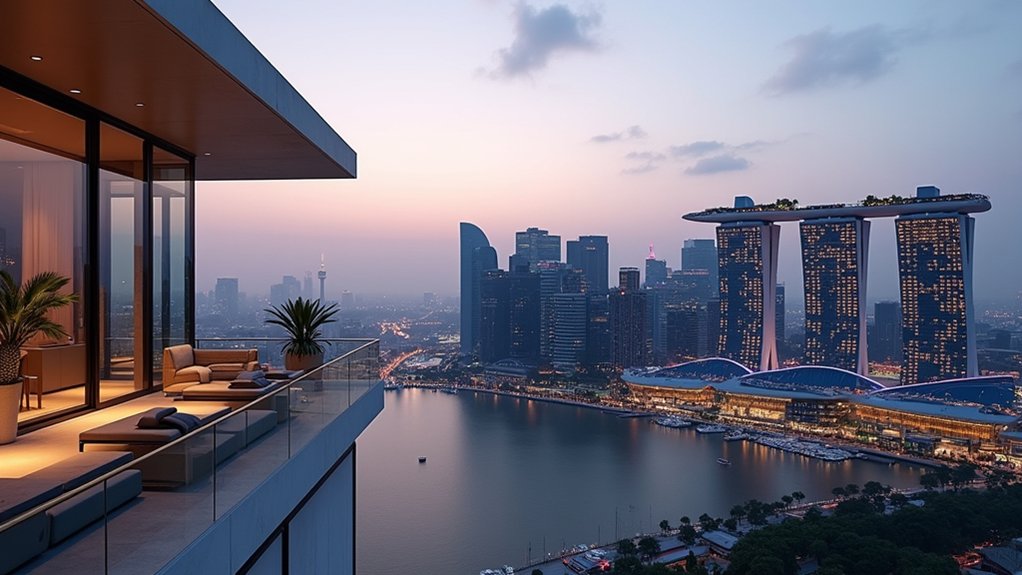
But here’s the contrarian point: more rich people doesn’t automatically mean a straight-line boom for every luxury home. Many of these households are heavily weighted to financial assets, private equity, and alternatives. They can wait. They don’t need to chase every penthouse. We’ve seen this before. After big-ticket deals at projects like Park Nova grabbed headlines, activity still narrowed quickly to truly scarce stock with the right address, views, and provenance. Prime district properties in established enclaves such as Marina Bay, Orchard Road, and Sentosa Cove regularly exceed SGD 3,500 per sq ft, reflecting how relentlessly land scarcity and demand converge at the top of the market.
So what does this mean for buyers and investors? I’d focus less on the broad luxury label and more on belonging to the right micro-market. Limited-supply prime homes will likely hold attention, especially near established wealth clusters and top schools. But secondary luxury stock without rarity may face tougher price resistance, even with 42,000 more millionaires expected by 2028 from a base of roughly 333,000.
The deeper story, to me, is concentration. Average wealth keeps rising, median wealth trails far behind, and the gap shows. If new capital keeps choosing Singapore, the next contest won’t just be over price. It’ll be over access, identity, and who gets to feel rooted here.