
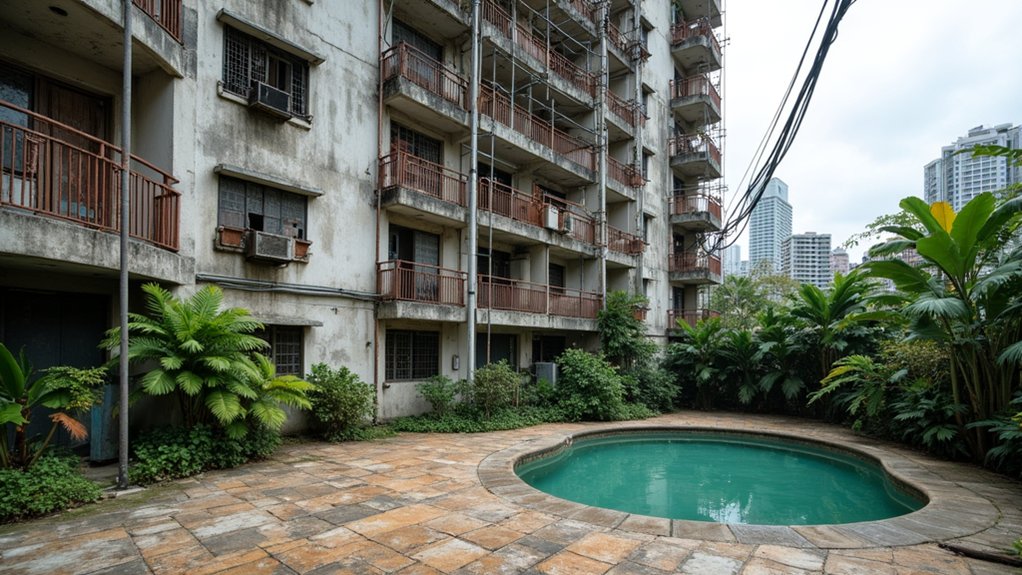

Aging-infrastructure risk is becoming a defining constraint in the condominium and senior living ecosystem, where operators and homeowner associations are confronting a dual challenge of legacy building stock and limited new development, even as demand conditions support expansion. The senior living industry is positioned to grow, yet it struggles to add inventory as financing and construction costs rise across property types, and as existing assets require sustained retrofit cycles that compete for capital with expansion plans.
New units breaking ground have fallen below the volume of units arriving online, a pattern evident since 2021, reinforcing a supply ceiling that is expected to keep senior housing occupancy above 90% in 2026. At the same time, deferred maintenance embedded in aging properties is translating into higher operating line items, more frequent reserve deliberations, and, in some cases, renewed attention to collective sale scenarios where redevelopment value is weighed against escalating replacement costs. Under HOPA, communities may remain age-restricted even if only 80% of occupied units include at least one resident who is 55 or older.
Development underwriting is being challenged by elevated build costs that remain structurally higher than pre-pandemic levels, even as inflation in inputs moderates. In 2026, mid-level independent living projects are estimated at $240 to $292 per square foot, while high-level independent living projects range from $283 to $362; assisted living is higher, at $280 to $356 for mid-level and $363 to $452 for high-level. Cost escalation is anticipated at 3% to 4% in 2026, down from 8% to 12% during the pandemic, but still sufficient to pressure feasibility and delay starts.
Operating pressures are similarly quantifiable. Repairs and maintenance expenses rose 13.8% in 2024, or about $242 per unit, and property insurance increased 17.8%, roughly $124 per unit, with premiums rising 20% to 50% in high-risk wildfire and severe-weather areas. HOA dues have been increasing at mid- to high-single-digit rates, with a national median of $135 per month in 2024, while 55+ communities average $200 to $800 and can exceed $800; in New York, 64% of HOA households pay over $500, compared with about $52 in Alabama. In parallel, planning-stage development timelines have lengthened amid tariff uncertainty and more complex market conditions, complicating efforts to bring replacement inventory online.
Lenders and buyers are focusing more intensely on HOA balance sheets, reserve adequacy, and insurance coverage in 2026, a scrutiny that can dampen demand for associations with weak financials and complicate financing. Reserve studies are shifting toward strategic priority as replacement costs climb, and long-deferred work continues to drive higher dues and special assessments, intersecting with fixed-income constraints such as the projected average retirement benefit of $1,976 per month in 2026. Buildings exceeding 30 years of age are now subject to stricter reserve fund regulations, adding another layer of financial obligation for associations already managing escalating operating costs.