
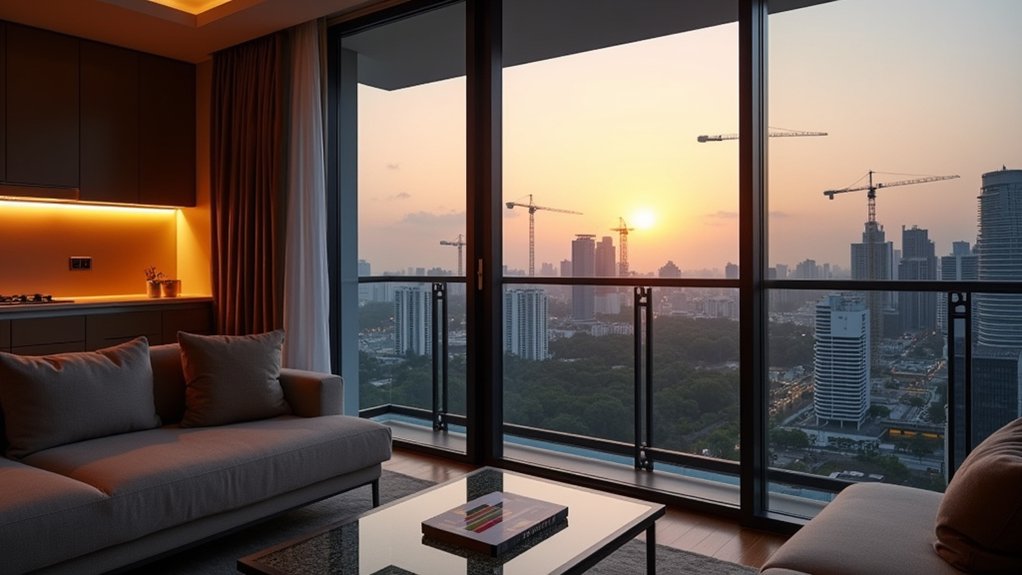

A one-bedroom condominium acquired in 2026 is positioned within a multifamily landscape characterized by constrained new supply, gradually reaccelerating rent growth, and a distinct bifurcation between luxury and workforce segments. Particularly in Sun Belt markets, January 2027 rent projections range from approximately 2.8% to 5.7%.
Within this context, the asset sits in a broader rental ecosystem where new construction starts for rental housing are down roughly 70% from peak levels. The supply wave from 2021–2022 projects is easing, and concessions are beginning to recede as absorption improves. At the same time, investors must navigate an environment where interest rates are expected to remain between 3.6% and 4.6%, shaping financing costs and underwriting assumptions.
New rental construction starts have fallen about 70% from peak, easing supply pressure as absorption improves
Market outlook indicators underscore that multifamily recovery is underway but uneven, with workforce and mid-tier properties expected to outperform luxury segments in rent growth. Demand remains inelastic, and choices for moderate-income renters are contracting. The concentration of new apartment supply at the high end has left fewer options for moderate-income households, tightening vacancy rates in Class B and workforce stock.
There is a $685 monthly rent gap to luxury units in major metros, and about $501 between Class B and luxury, which supports strong occupancy and limited resident migration upward. In parallel, investors continue to favor single-family rentals as a complementary strategy, given their similarly strong demand profile amid constrained for-sale housing affordability.
In this environment, a one-bedroom unit benefits from durable demand linked to the essential nature of housing. The broader cost gap between renting and home buying is projected to plateau or narrow only slightly, keeping many households in the renter pool.
Rents are stabilizing or turning positive in most target markets as new luxury deliveries slow, and as 2026–2027 absorption gradually catches up. Rent growth is projected to reaccelerate within the stated forecast range.
The 2026 development landscape is increasingly defined by scarcity and selectivity. Construction costs and operating expenses are described as relatively flat as new supply fades, supporting more predictable underwriting assumptions.
Segment performance data show that while luxury apartments remain at the bottom of investment rankings, high-income stock has improved modestly. Single-family rentals have regained attention as would-be buyers seek more affordable space, indicating a broader housing system recalibration rather than a simple expansion cycle.
Operational strategies highlighted by industry participants, including targeted renovations such as in-unit washers and modernized kitchens, are being deployed to enhance attractiveness. Enhanced amenities like co-working spaces and pet parks, along with efficiency gains via smart technology and vendor renegotiation, are also being implemented to increase net operating income and sustain occupancy.
Strong management execution, high retention among lower-income renters constrained by substantial price gaps to luxury products, and demographic tailwinds from aging homeowners shifting into rentals and senior housing collectively frame the one-bedroom condominium as part of an undersupplied, gradually firming rental market. Properties with sustainable certifications are commanding premiums in global markets, reflecting investor preference for environmentally conscious developments that align with evolving regulatory frameworks.
However, the market remains one where distress and selective sales may emerge as financing and tariff-related uncertainties intersect with the ongoing supply burn-off.